


As I slowly continue my series on fantasy goblins, I must ask: are the goblins in The Hobbit antisemitic?
Ultimately… I would say no.
Goblins are almost always based on antisemitic tropes. But the one famous goblin example I give a pass to are goblins as written by JRR Tolkien in The Hobbit.
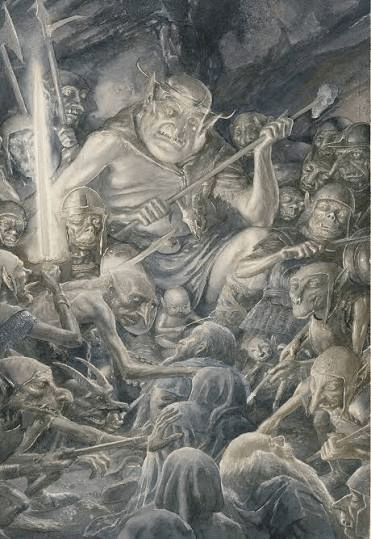
Here are the goblins’ traits in his book: ugly, cruel, wicked. They live underground, much like the goblins that inspired them from The Princess and the Goblin by MacDonald, the influence of which is discussed in my previous article. In many ways, they’re a revised version of these goblins. They kidnap the main characters, they’re grotesque and inherently evil (for reasons of not wanting to write a 20 page essay, I’m not going to deep dive into the nature of evil in Tolkien’s works).
They’re based on antisemitic caricatures for sure, but there is a reason I don’t lump them together with the likes of other goblins: there is a different, more explicit Jewish representation in The Hobbit.
Dwarves.
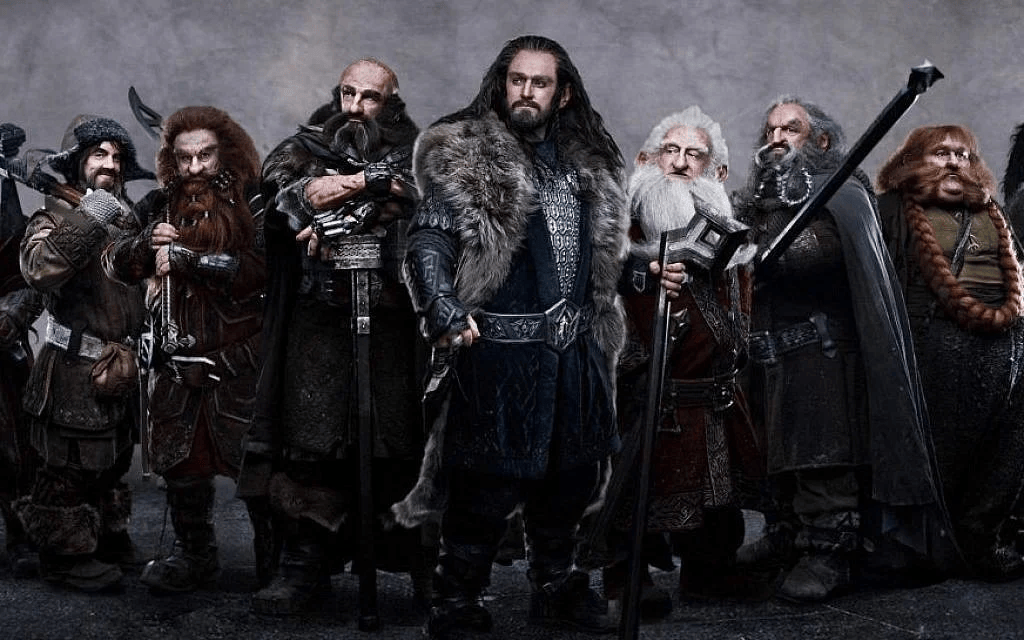
The dwarven people are a stubborn, honorable people. They are skilled crafters who have been chased out of their ancestral home, retain their distinct culture in diaspora settings, and seek to reclaim their birthright. Heck, the dwarves even come from Moria. This is literally the name of the Temple Mound in Jerusalem where the Beit HaMigdash once stood.
Tolkien himself stated that, though the concept of dwarves come from Norse and Germanic mythologies and legends, he based the ones in his books off of Jewish history and culture.
In an interview, Tolkien went so far as to say: “the Dwarves of course are quite obviously—couldn’t you say that in many ways they remind you of the Jews?”
Even the dwarven language Khuzdul has Jewish influence, with a root system similar to Hebrew and described as guttural, not unlike the guttural sounds made by certain Hebrew letters as not found in English or romance languages. It is used to give dwarves their “secret” name, not dissimilar to Jews having a Hebrew name different from names used in secular life. Dwarves are even described by Tolkien as “at once native and alien in their habitations, speaking the languages of the country, but with an accent due to their native tongue.”
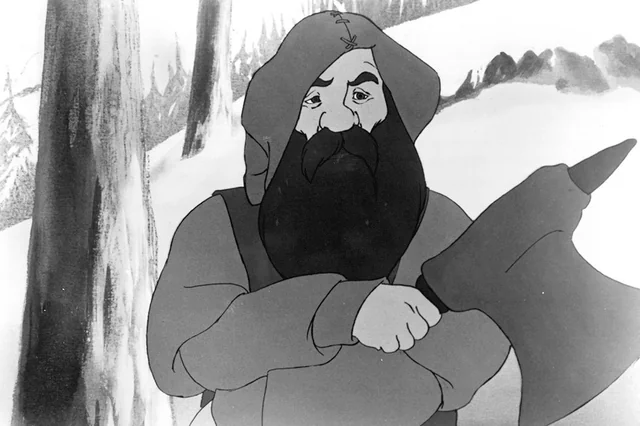
Personally, I find the idea of Tolkien taking a Norse creature and hybridizing it with Jewish culture and aesthetics during the era that he wrote it to be a fantastic and hilarious “F you” to the Nazis. I applaud the man for his chutzpah.
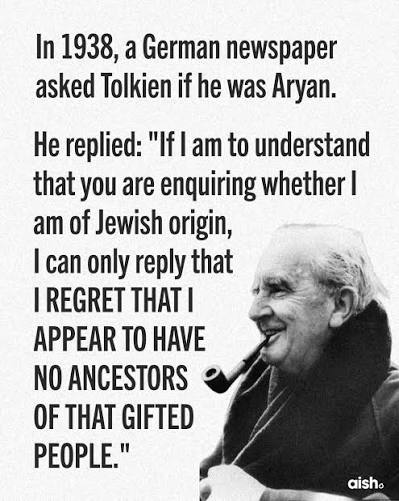
There’s a very (or at least somewhat) famous letter from Tolkien responding to a Nazi inquiry about his heritage and if he’s Jewish that goes like this:
“But if I am to understand that you are inquiring whether I am of Jewish origin, I can only reply that I regret that I appear to have no ancestors of that gifted people.”
I love it.
Of course, anyone familiar with The Hobbit or the Lord of the Rings is familiar with the greedy dwarf plots. Either they dig too deep in their greed or they get exposed to gold and develop Jewish stereotype “sickness”, aka an obsessiveness with treasure. It’s a page right out of medieval stereotypes demonizing Jews.
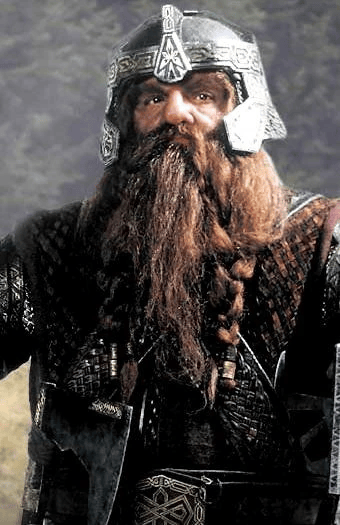
That said, I don’t think there was malice in the writing of this plotline. And I think that the later creation of the character of Gimli was meant to be a sort of dwarven redemption, and a Jewish representation redemption. I think Tolkien wrote a fairytale with influence from his society but that he was capable of growth and improvement. Or maybe it’s wishful thinking from me? Either way, I unfortunately can’t ask the man himself so must speculate.
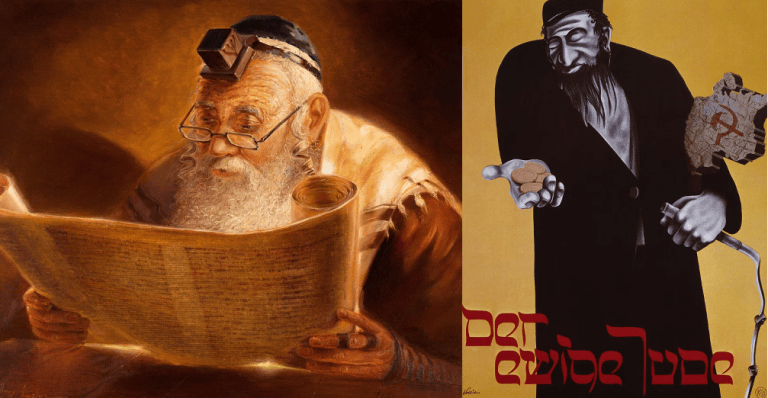
One could say that malicious intent or not doesn’t matter if the end result is perpetuation of harmful stereotypes, and I do agree with this often. But, something about the dwarves feels like it was done with respect, despite the greedy stereotyping. It’s like in my previous article about how representation looks when discussing the goblins in World of Warcraft: an antisemite can draw a bearded Jewish man and you can see there is no respect in the depiction. A non-antisemite can paint a picture of a rabbi and you can see that there is reverence and respect in the depiction. I generally get respectful vibes from Tolkien, and I think that’s very important.
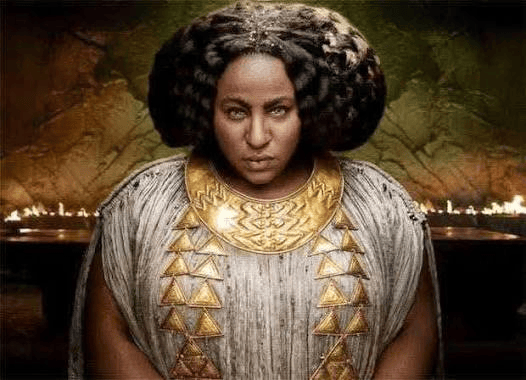
I also love the way dwarves are depicted in new works branching from Tolkien’s stories. Specifically, in Amazon’s Rings of Power series. These are not dwarves digging too deep because of greed, but rather dwarves trying desperately to help their friends, the elves, whose magic tree is dying. The elves need the magic ore the dwarves can find to heal it. This retcon sidesteps the greedy Jew inspired plotline brilliantly, but it is also believable that other races would blame dwarves for their own misfortune and place the greedy dwarf trope on their heads in society’s stories regardless of the truth.
With all that said about dwarves, I believe this exonerates the Tolkien goblins not from being influenced by something with antisemitic roots but from being antisemitic themselves. Part of the issue with most goblins is that the goblin stereotype is the *only* use of Jewish coding in a work, whether intentional or not. There is no attempt to show Jewish coding in any other way, only the negative tropes. Even World of Warcraft with its Tolkien rip-off dwarves don’t feel Jewish despite their presence, offering no redemption to the over the top negative tropes used to create their goblins, as I detailed in my previous article. Tolkien dwarves in most media beyond the original books have these pseudo-Scottish accents and Celtic and Norse style architecture and runes. That is what WoW and other Tolkien derived dwarves use for their aesthetics.
The original works never gave much detailed physical descriptions beyond short, stocky, bearded. I personally think that, if media wanted to stick closer to Tolkien’s intent, perhaps the runes would be Paleo-Hebrew letters rather than Norse. Their accents would be Yiddish or Hebrew rather than Scottish. Their filigree could be inspired by intricate Yemeni Jewish silver smithing rather than Celtic.
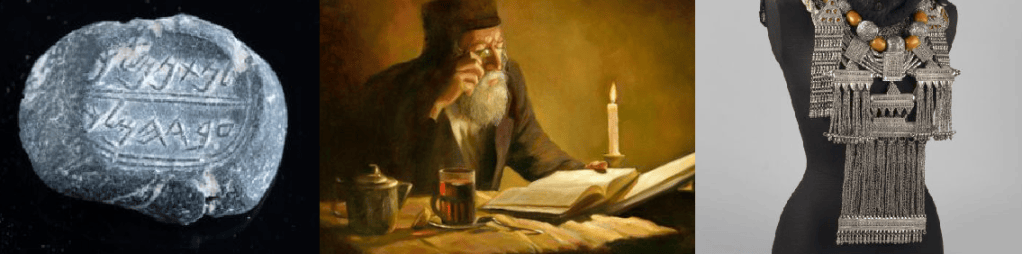
Because the only media that leans in to the Jewish representation intentionally (for better or worse) is the original, subsequent fantasy worlds outside of Tolkien’s that use the Scottish-Norse watered-down derivatives do not really redeem any negative goblin depictions because there is no intentional thought given to Jewish representation implied by the roots of their creations.
In summary, The Hobbit is not perfect. But it feels kinda good to know Tolkien had respect for Jews and I can acknowledge it as good for its time, and even as a project that exists beyond the author, a work that is continuing to improve despite already being genre-definingly awesome already.


Leave a comment